

Is Colombia Safe to Visit? A Realistic Guide for Travelers
Is Colombia Safe to Visit?
For many travelers considering a trip to Colombia, safety is one of the first questions that comes to mind. The country’s past still lingers in people’s imagination, even though Colombia has transformed dramatically over the past two decades.
a
Today, travelers arrive curious but luckily often leave wondering why they didn’t come sooner.
a
Millions of visitors now explore Colombia each year, drawn by its vibrant culture, diverse landscapes, and the warmth of its people. Like anywhere in the world, traveling here requires awareness and common sense. But the reality most visitors experience is a country that feels far more welcoming, relaxed, and accessible than expected.
Colombia Today
a
Modern Colombia is a world away from the headlines of the past. Cities like Medellín, Cartagena, and Bogotá have become some of Latin America’s most exciting destinations.
a
Think innovative gastronomy, colorful neighborhoods, world-class museums, and a creative energy that’s hard to pin down but easy to feel.
a
As in any major city, it’s important to stay aware of your surroundings, especially at night or in unfamiliar areas. Simple habits like using trusted transportation, avoiding quiet streets after dark, and keeping valuables out of sight go a long way.
a
Most travelers quickly find their rhythm and their confidence here. And I will confirm, yes Colombia is safe to visit, and definitely as a tourist.
Is the Countryside Safe?
If anything surprises travelers most, it’s how peaceful Colombia’s countryside can feel.
a
Regions like the Coffee Triangle are not only among the most beautiful parts of the country, but also among the most relaxed. Rolling green hills, wax palms, and colorful villages create a landscape that feels almost untouched.
a
In towns like Filandia, daily life moves slowly. Locals greet you with a smile, cafés spill onto quiet streets, and viewpoints stretch out over endless coffee-covered hills.
a
Just beyond these villages, the pace slows even further. Hidden among bamboo forests and nature reserves are small-scale lodges and retreats where the focus is on space, nature, and calm. Places like Reverie Lodge, tucked between Filandia and Quimbaya, offer exactly that kind of experience—where mornings begin with birdsong and evenings end with panoramic sunsets.
a
For many travelers, this side of Colombia becomes the highlight they didn’t expect.
Traveling Smart in Colombia
q
Colombia is a destination where a little awareness makes a big difference. Nothing extreme—just the kind of habits you’d apply anywhere.
It helps to:
- use official taxis or ride apps in cities
- avoid displaying expensive items in crowded areas
- ask locals or your accommodation for up-to-date advice
- carry only what you need during the day
a
Colombians are incredibly approachable, and travelers are often surprised by how willing people are to help—whether it’s giving directions, sharing recommendations, or simply starting a conversation.
a
As long as you don’t forget your essentials to bring on your trip, you’ll be fine, we promise!
Is Colombia Safe for Different Types of Travelers?
a
One of the most common concerns isn’t just “Is Colombia safe?”—but “Is it safe for me?”
The good news is that Colombia is a very versatile destination, and with the right planning, it suits a wide range of travelers.
a
Solo travelers often find Colombia surprisingly easy to navigate. Cities like Medellín have a well-developed infrastructure, and in smaller towns, it’s common to quickly recognize familiar faces. Many solo visitors mention how easy it is to meet people along the way.
a
Couples and honeymooners are drawn to Colombia for its mix of nature and boutique stays. Quiet regions like the Coffee Triangle offer space, privacy, and a slower pace—ideal for disconnecting without feeling isolated.
a
Families are also increasingly choosing Colombia, especially for routes that combine cities with nature. Areas around Quindío are particularly well-suited, with short travel distances, outdoor activities, and a calm atmosphere.
a
Luxury travelers will find that Colombia offers a growing number of high-end, small-scale accommodations. Rather than large resorts, the focus is often on intimate places that blend comfort with nature—something that feels more personal and less standardized.
a
Across all travel styles, one thing tends to stand out: with a thoughtfully planned itinerary, Colombia feels not only safe, but easy to enjoy.
Safety in Perspective
a
While Colombia has made significant progress in terms of safety, it is important to understand that conditions can vary by region. Well-traveled destinations such as Bogotá, Medellín, Cartagena, and the Coffee Region are considered safe for tourism when basic precautions are followed. Infrastructure for travelers has improved considerably, with reliable domestic flights, professional guides, and a growing number of high-quality accommodations across the country.
a
Like many destinations in Latin America, petty crime such as pickpocketing can occur, particularly in busy urban areas, but serious incidents involving tourists are relatively uncommon in established travel routes. The key is to stay informed, avoid high-risk or remote areas without proper guidance, and plan your route carefully.
a
With the right preparation, Colombia is not only safe to visit but also one of the most rewarding and diverse destinations in the region.
A Country That Welcomes You In
p
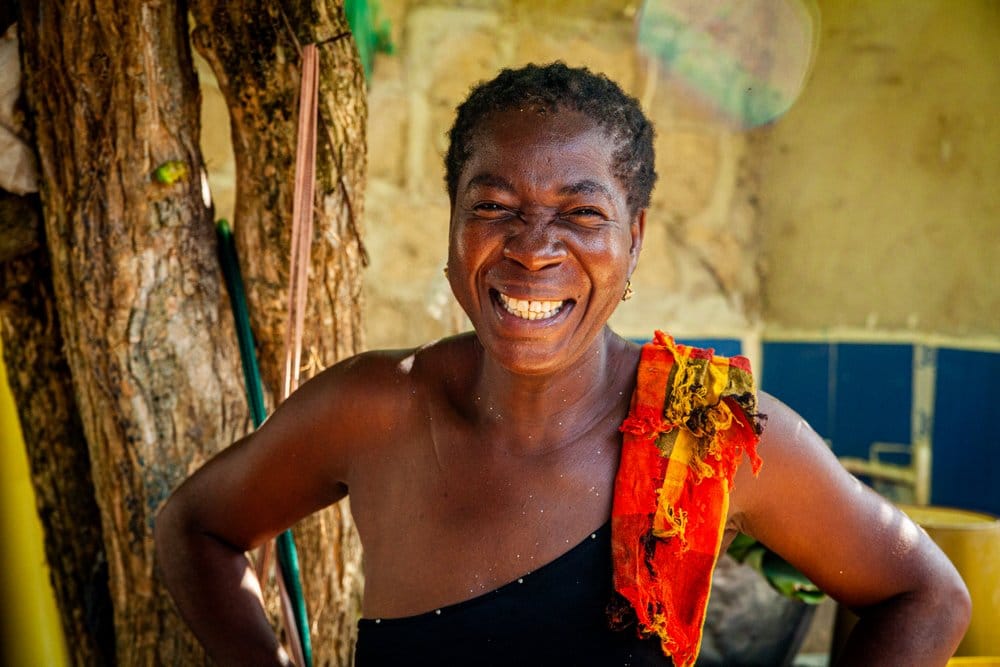
What truly defines Colombia is not only its landscapes but, above all, its people.
a
There is a genuine warmth here that is difficult to describe until you experience it yourself. Tourism is still growing, and that is something you feel in everyday interactions, which often come across as personal, curious, and refreshingly unfiltered.
a
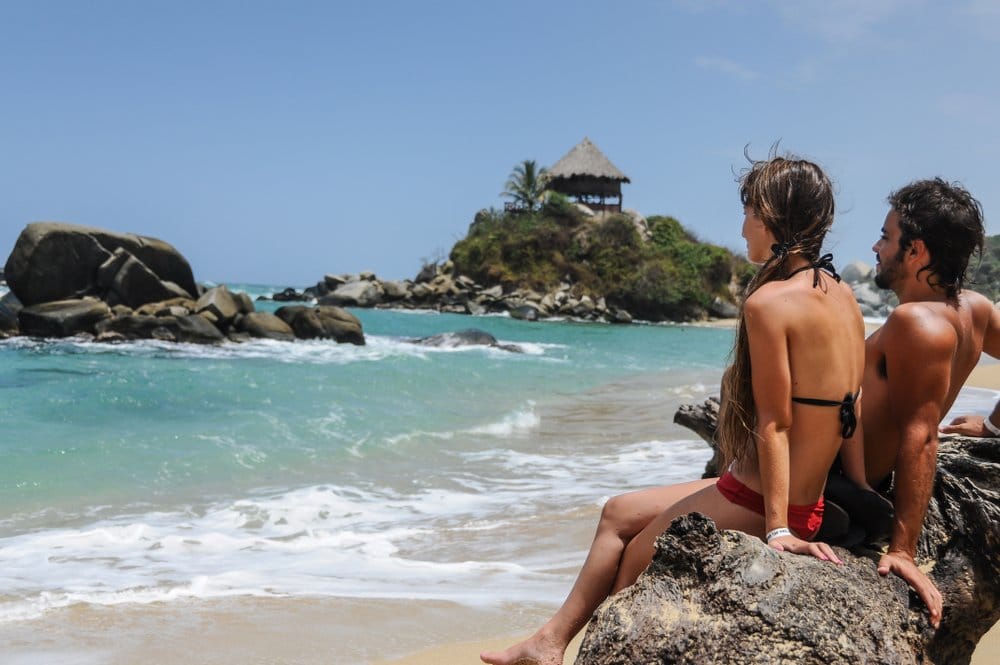
From vibrant cities to quiet mountain retreats and Caribbean coastlines, Colombia offers a rare kind of diversity within a single journey.
b
At Lulo Colombia Travel, we focus on shaping trips that reflect that contrast, combining the country’s highlights with places that feel more hidden, more personal, and more connected to its natural rhythm.
In the end, most travelers do not just feel safe in Colombia. They feel at home.
l
And that is usually the moment when the question shifts from “Is Colombia safe to visit?” to “When can we come back?”