

How to plan a trip to Colombia?
How to plan a trip to Colombia
Planning a trip to Colombia can feel overwhelming at first. With its incredible diversity of landscapes, cultures, and experiences, knowing where to start isn’t always easy. From vibrant cities and colonial towns to lush mountains, tropical beaches, and dense rainforest, Colombia offers a little bit of everything.
a
The key to a great trip is not trying to see it all, but creating a route that feels balanced, personal, and enjoyable. This guide will walk you through the essential steps to help you plan a journey that flows naturally and makes the most of your time in Colombia. To begin, it helps to step back and define what kind of trip you’re looking for.
1. Decide What Kind of Trip You Want
1
Before choosing destinations, it’s important to take a step back and think about the kind of trip you’re actually looking for. When considering how to plan a trip to Colombia, this is one of the most important first steps. Colombia offers so much variety that without a clear direction, it’s easy to end up with an itinerary that feels rushed or disconnected.
A helpful way to approach this is to think in terms of travel style rather than specific places.
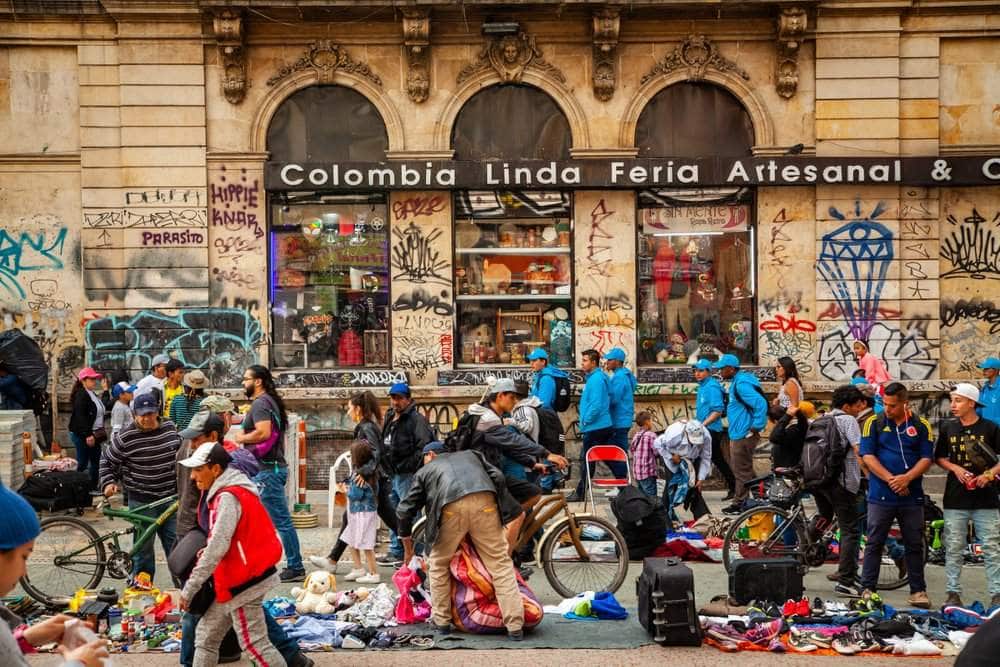
Some travelers are naturally drawn to cities and culture. If that’s you, you’ll likely enjoy exploring Bogotá’s museums and history, discovering Medellín’s transformation, and wandering through the colorful streets of Cartagena. These destinations offer a mix of culture, gastronomy, and local life.
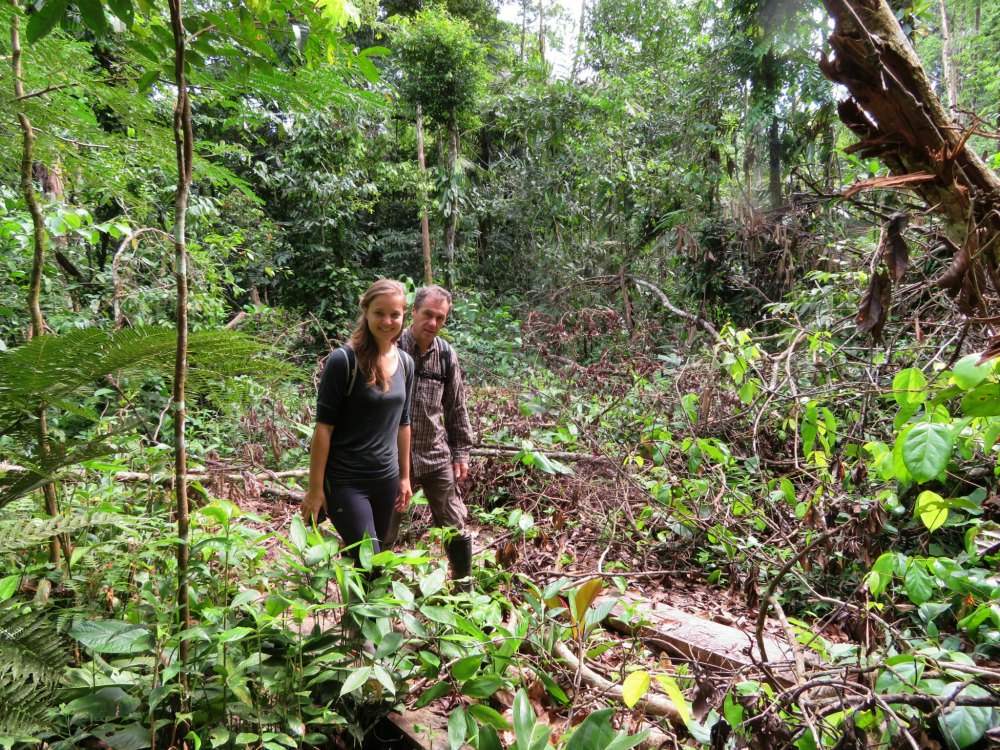
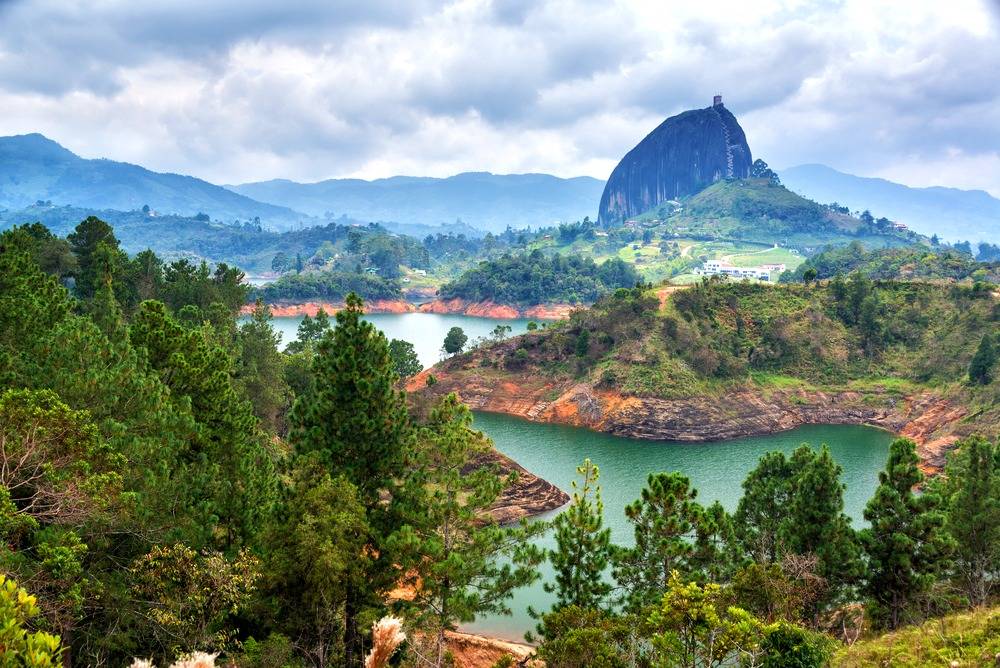
Others are more interested in nature and landscapes. In that case, regions like the Coffee Region, Tayrona National Park, or even the Amazon are a better fit. Here, the focus shifts to hiking, wildlife, lush scenery, and a slower pace.
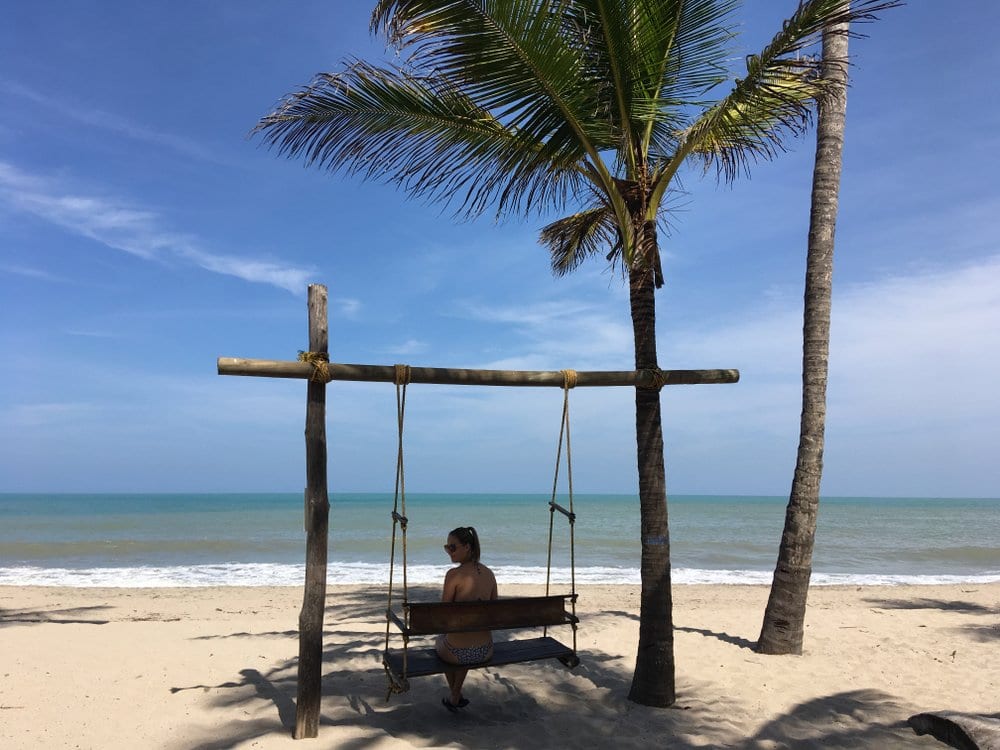
Then there are those looking for relaxation and atmosphere. Colombia’s Caribbean coast offers beautiful beaches but also boutique stays, warm evenings, and long, unhurried days. This style of travel is less about ticking off sights and more about enjoying the setting.
Of course, many travelers are looking for a combination of all three. In fact, this is often where Colombia really stands out. A well-balanced itinerary might include a few days in a city, followed by time in nature, and end somewhere more relaxed.
What matters most is being realistic about your pace. Trying to experience everything at once usually means spending more time in transit than actually enjoying each place. Choosing a clear focus helps you create a trip that feels intentional and enjoyable from start to finish.
If you’re unsure, a good starting point is to ask yourself the following:
Do I want to move around a lot or prefer fewer bases with more time in each place?
Am I more interested in culture, nature, or relaxation?
Do I want a more active trip, or something slower and more immersive?
Answering these questions early on makes the rest of the planning process much easier and helps ensure your itinerary truly matches what you’re looking for. Once you have a clearer idea of your travel style, the next step is to translate that into the regions you’ll visit.
2. Choose the Right Regions
Once you have a sense of the type of trip you want, the next step is deciding where to go. Colombia may not look huge on the map, but distances are significant, and travel times can be longer than expected. Because of this, choosing the right combination of regions is key to creating a trip that feels smooth rather than rushed.
A common mistake is trying to fit too many destinations into one itinerary. While it’s tempting to see everything, most trips are far more enjoyable when you focus on two to four regions, depending on how much time you have.
It also helps to think in terms of geography and flow. Colombia is naturally divided into distinct areas, and not all of them connect easily. Grouping nearby regions together will save time and make your journey feel more coherent.
For a first trip, many travelers choose a combination of the following:
- The Andean region, including Bogotá and Medellín, offers culture, history, and a vibrant city atmosphere.
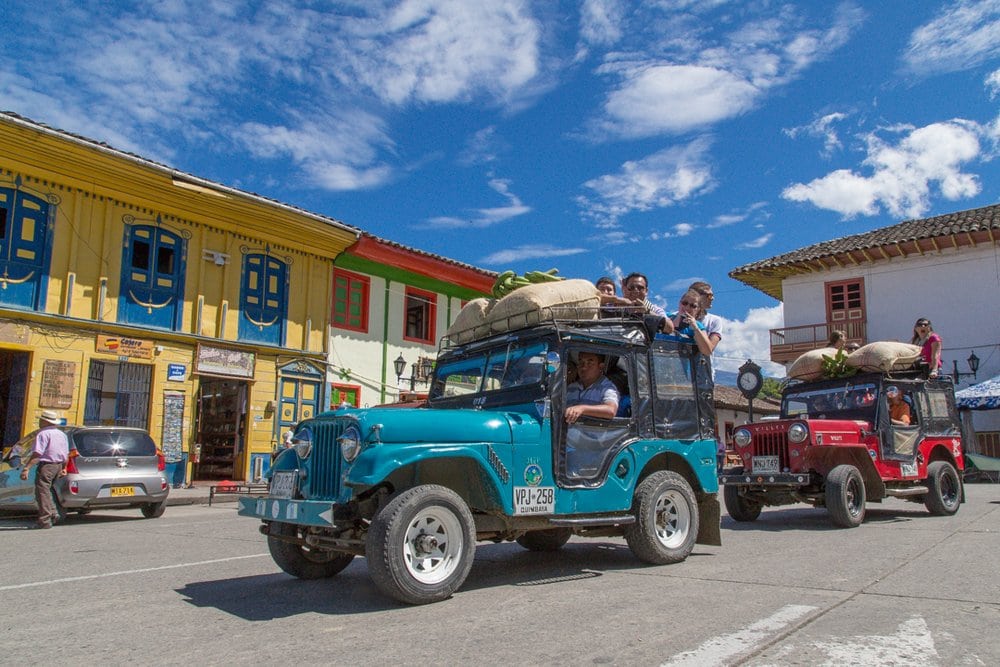
- The Coffee Region is ideal for nature, scenic landscapes, and a slower pace. Rolling hills, coffee farms, and colorful towns like Filandia and Salento make it one of the most relaxing parts of the country.
- The Caribbean coast, with destinations such as Cartagena, Tayrona, and Minca, combines beaches, colonial architecture, and tropical nature.
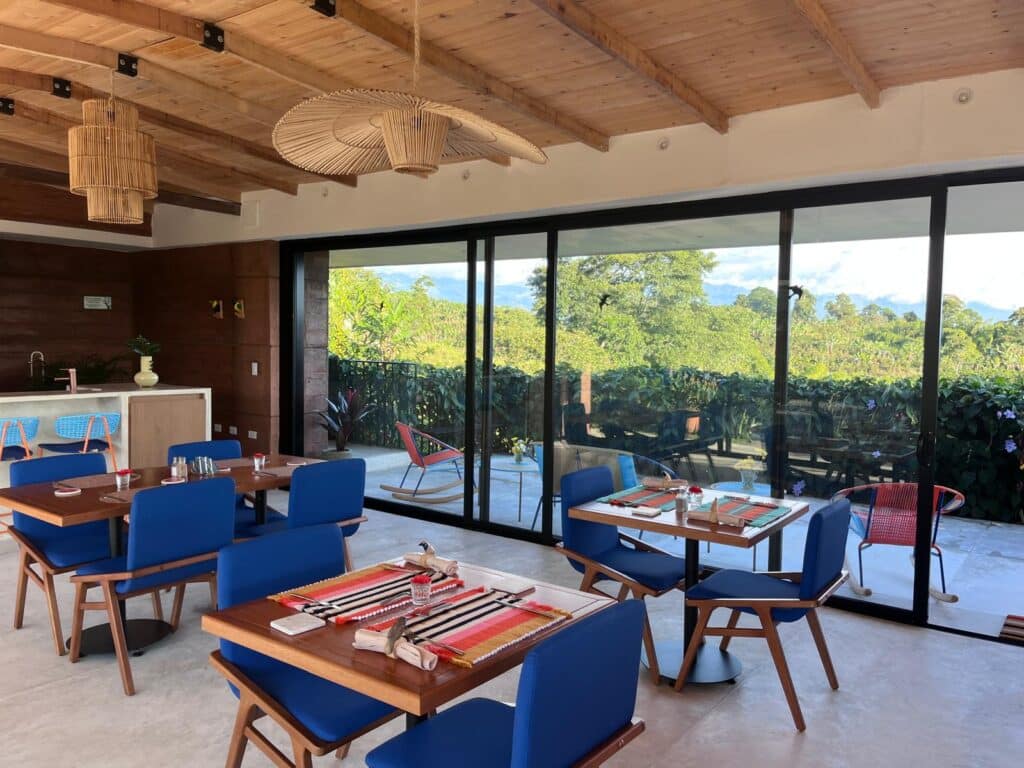
Within these regions, the experience can vary greatly depending on where you stay and how you structure your time. In the Coffee Region, for example, basing yourself in a quiet, natural setting rather than a busy town allows you to experience a completely different side of the landscape. Smaller boutique lodges, such as Reverie, are often set away from the crowds and offer a more immersive and peaceful way to explore the area.
For those with more time or specific interests, Colombia also offers more remote destinations. The Amazon is ideal for wildlife and jungle experiences, while the Pacific coast is known for its raw nature and seasonal whale watching. These regions are incredibly rewarding, but they require more time and planning, so they are usually best added to longer itineraries.
Ultimately, the goal is to choose regions that complement each other rather than compete for your time. A well-balanced route might combine a city, a nature-focused area, and a place to unwind, creating a natural rhythm throughout your trip. With your destinations in mind, it’s time to connect them in a way that makes sense.
3. Plan a Logical Route
Once you’ve selected your regions, the next step is to connect them in a way that feels natural and efficient. A well-planned route can make the difference between a trip that feels relaxed and one that feels dominated by travel days.
Most international journeys begin in Bogotá, which is Colombia’s main gateway. From there, it’s important to think carefully about the order of your destinations. Rather than jumping back and forth across the country, aim for a route that flows in one direction.
Because Colombia is larger than many travelers expect, distances between regions are significant. While driving can be scenic, it often takes longer than anticipated due to mountain roads and traffic conditions. For this reason, domestic flights are usually the most practical way to move between regions, especially if you’re combining places like the Coffee Region, Medellín, and the Caribbean coast.
That said, not every journey needs to involve a flight. In some cases, private transfers or shorter drives can be a more enjoyable way to experience the landscape, particularly within regions like the Coffee Zone, where the journey itself becomes part of the experience.
a
Another important consideration is pace. It’s easy to underestimate how much time is lost in transit — airport transfers, check-ins, and waiting times all add up. As a general guideline, it’s worth staying at least two to three nights in each destination to fully experience it without feeling rushed.
A thoughtfully planned route also creates a natural rhythm throughout your trip. You might begin in a vibrant city, continue into a quieter, nature-focused region, and end somewhere more relaxed, such as the coast. This progression allows you to experience different sides of Colombia while maintaining a sense of balance.
In the end, the goal is not just to move between destinations but to do so in a way that feels seamless. When travel days are well planned, they become part of the journey rather than something to get through.
Once your route starts to take shape, you can begin selecting places to stay that enhance each part of the journey.
4. Choose Where to Stay
Where you stay has a big impact on how you experience Colombia. The right accommodation doesn’t just provide comfort — it shapes the pace and atmosphere of your trip.
A key part of how to plan a trip to Colombia is choosing the right places to stay. In cities, well-located boutique hotels are usually the best choice, allowing you to easily explore nearby neighborhoods, restaurants, and cultural highlights. In places like Medellín or Cartagena, staying in the right area can make a noticeable difference in your overall experience.
In more rural regions, accommodation becomes part of the destination itself. In the Coffee Region, for example, staying in a natural setting rather than in town allows you to fully appreciate the landscape and slower pace of life. Smaller lodges such as Reverie Lodge offer a more intimate experience, while other well-known options like Hacienda Bambusa or Casa San Carlos Lodge each bring their own style and atmosphere.
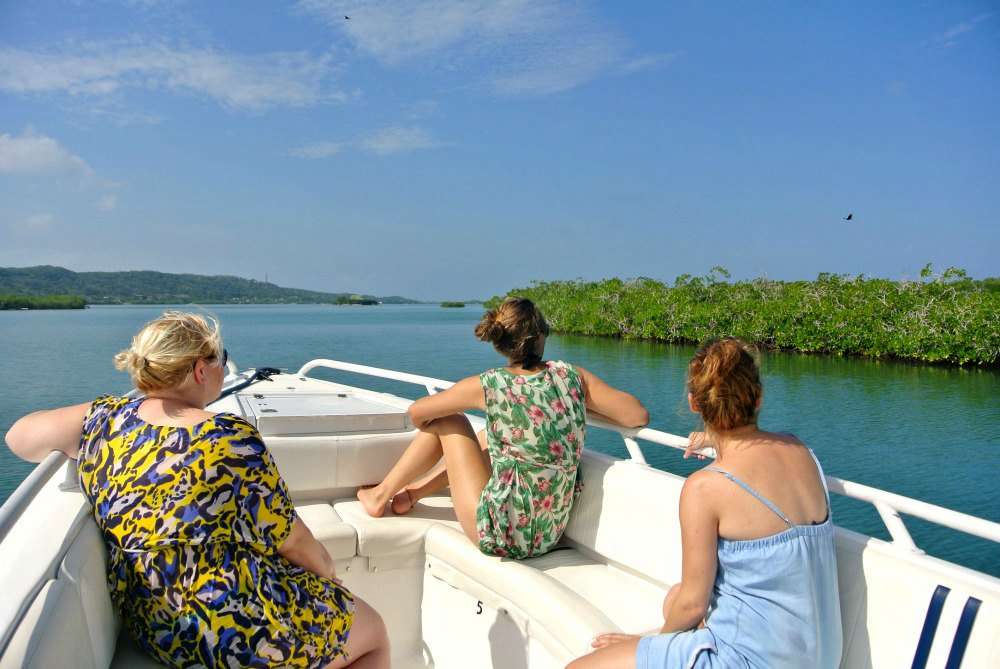
Along the Caribbean coast, the experience can vary just as much. Within the historic center of Cartagena, boutique hotels like Casa Del Coliseo offer charm and history, while more secluded options outside the city provide a quieter, beach-focused stay.
Choosing accommodations that match each destination helps create a natural balance between exploration and relaxation throughout your trip. With your accommodations in place, you can start thinking about how you want to spend your time in each destination.
5. Plan Activities (But Don’t Overplan)
Colombia offers an incredible variety of experiences, from guided city tours and coffee tastings to hiking, wildlife spotting, and boat trips along the coast.
When thinking about how to plan a trip to Colombia, it’s tempting to schedule something for every day. However, leaving space in your itinerary is just as important. Some of the best moments often come from simply being in a place — enjoying the view, lingering over a meal, or taking a walk without a fixed plan.
A good approach is to plan one key activity per day, with flexibility around it. In the Coffee Region, that might be a coffee experience or a guided hike, while along the coast it could be a day trip to the islands or a visit to Tayrona.
This balance allows you to experience Colombia without feeling rushed and gives each destination the time it deserves. Before finalizing your plans, it’s also worth considering when to travel.
6. Consider the Best Time to Visit
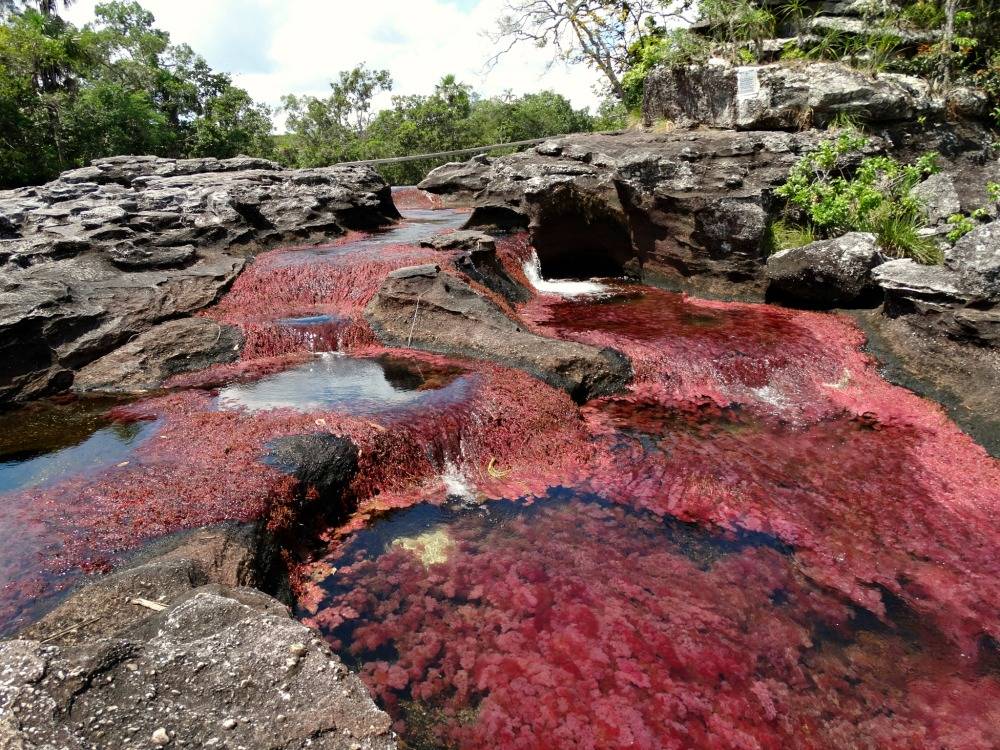
Colombia is a year-round destination, but conditions vary depending on the region.
In the Andes — including Bogotá and the Coffee Region — temperatures are generally mild, with a mix of sunshine and occasional rain throughout the year. The Caribbean coast is warmer and more humid, with drier months typically between December and March. The Amazon is tropical year-round, with changing river levels influencing access and wildlife viewing.
It’s also worth taking local travel periods into account. Holidays such as Semana Santa and the Christmas season tend to be busier, with higher demand for flights and accommodation.
Rather than focusing only on “perfect weather,” it’s often more useful to plan around your preferred pace and availability, choosing regions that work well together at that time of year. With all of these elements in place, your itinerary will naturally start to come together.
Bring It All Together
If you’re looking at how to plan a trip to Colombia, it’s all about finding the right balance between structure and flexibility. By choosing a few well-matched regions, creating a logical route, and selecting accommodations that enhance each destination, you can build an itinerary that feels both seamless and enjoyable.
Colombia rewards those who take the time to experience it properly. Whether you’re exploring its cities, discovering its landscapes, or slowing down in nature, each part of the journey offers something different.
And often, it’s the quieter moments that stay with you the most — a morning view over the hills, a long evening outdoors, or a place where you can fully disconnect. In regions like the Coffee Zone, staying somewhere surrounded by nature, such as Reverie, naturally creates space for those moments, adding a sense of calm and connection to the overall journey.